Puppy pads vs grass: how to pad train a puppy, and when to stop
Pads are handy, but they add a step if you want your dog toileting outside in the end. Here’s how to decide, and how to make the switch.
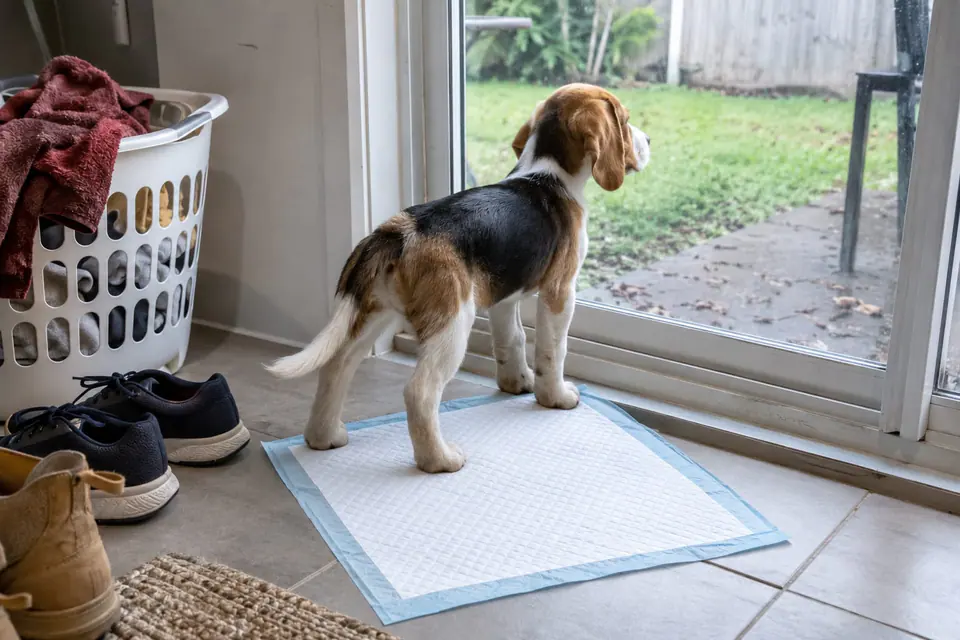
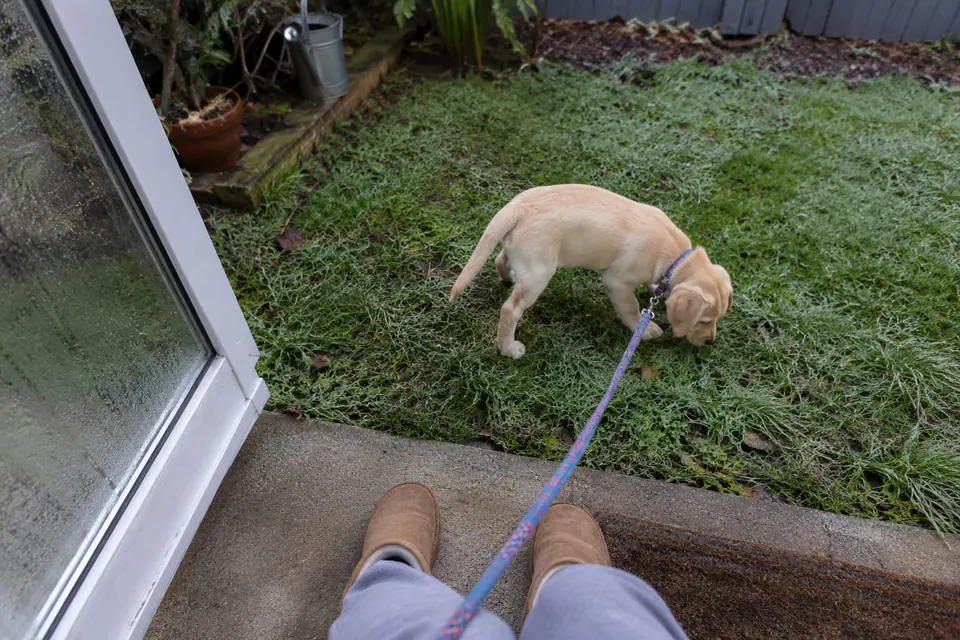
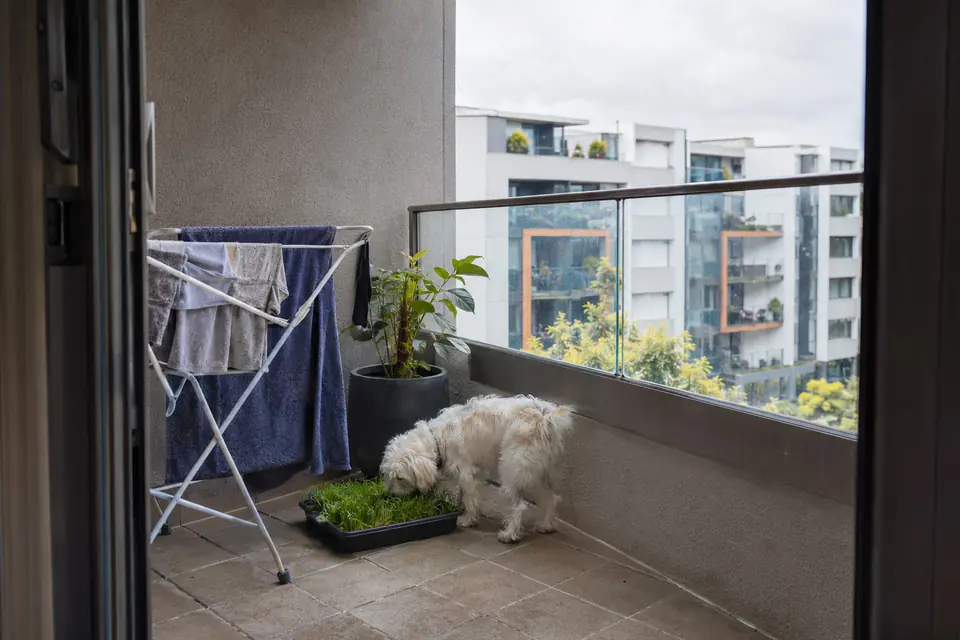
Grass is usually the better long-term choice if your dog will eventually toilet outside, because it skips the extra step of moving them off pads. Pads make sense when you can't get outside quickly, such as in an apartment or while your puppy finishes their vaccinations. Either way, one consistent spot and instant rewards do most of the work.
How do pads and grass compare?
| Puppy pads | Real or artificial grass | |
|---|---|---|
| Best for | Apartments, very young puppies, long days out | Puppies who'll toilet outside later |
| Setup | Quick and cheap | Takes a bit more money and space |
| Moving outdoors | Adds a training step | Easier, since the surface feels similar |
| Upkeep | Replace or wash often | Replace real grass, and wash turf |
| Waste | Disposable pads create rubbish | Less rubbish, but grass needs replacing |
| Main risk | Puppies can shred them or learn that soft surfaces like rugs are fair game | Dogs with grass allergies may not suit real grass |
RSPCA Pet Insurance says pads can help in apartments or cold weather, and that moving from pads to the outdoors adds a training step. It suggests a grass or synthetic turf patch can ease that move.
Can I use both?
Yes, and plenty of owners do: pads while they're at work, then grass or outdoor trips when they're home. Keep each one in a consistent spot, and use the same toilet cue for both.
How do I pad train a puppy?
These steps are based on the American Kennel Club's pad training guide.
- Pick one spot and keep it there. Moving the pad while they're learning can cause more accidents.
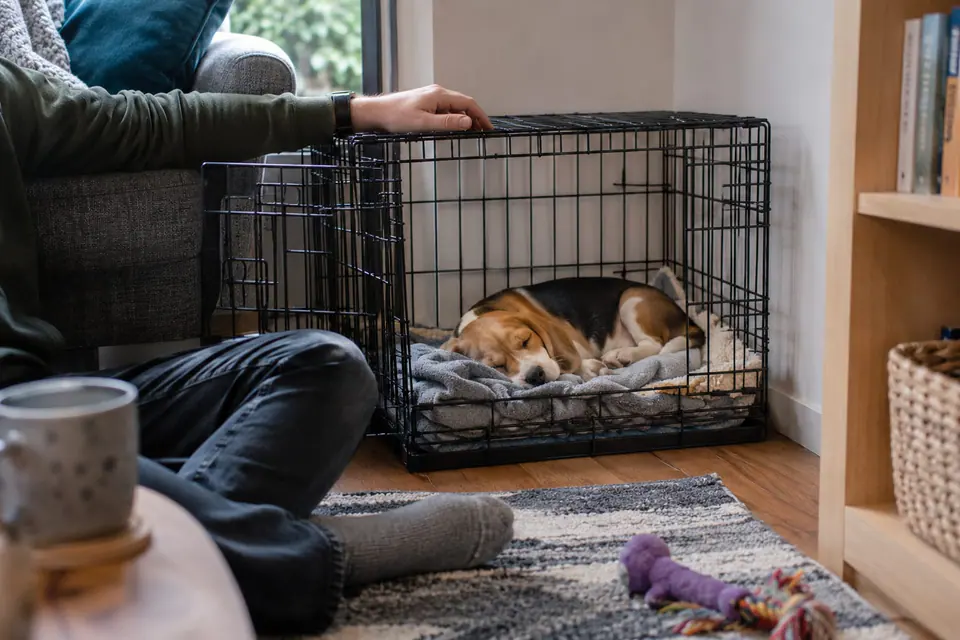
- Set up a small area. A crate or pen for when you can't watch them helps them learn. See our guide to crate training a puppy.
- Go to the pad on a schedule. After waking, eating, playing and napping, and at least every hour or two.
- Watch for signs. Sniffing, circling or whining means it's time to take them to the pad right away.
- Try again if nothing happens. Pop them back in their crate or pen for 10 to 15 minutes, then have another go.
- Reward immediately. Give praise and a treat as soon as they finish.
- Handle accidents calmly. Interrupt gently, move them to the pad, and clean up with an odour-destroying cleaner. Never punish them.
Our guide on how to toilet train a puppy has a full schedule by age.
Are washable puppy pads better than disposable?
| Disposable | Washable | |
|---|---|---|
| Upfront cost | Low | Higher |
| Ongoing cost | Keeps adding up | Lower once you've bought them |
| Effort | Throw away | Rinse and launder often |
| Waste | More | Less |
| Good for | Very young puppies, travel, short-term use | Longer-term use and bigger dogs |
Buy at least two washable pads, so there's a clean one ready while the other's in the wash. Using a holder or tray helps stop pads sliding around and being chewed.
How do I move my puppy from pads to outside?
The AKC suggests making the move in small steps:
- Teach a toilet cue. Say it just before they go, then reward them.
- Move the pad closer to the door, a little at a time.
- Put the pad just outside the door once they're comfortable.
- Move it to their final outdoor spot, in stages.
- Make the pad smaller over time, until they're using the ground on its own.
Move back a step if accidents increase. The RSPCA suggests removing pads once your puppy has better bladder control and toilets reliably on cue.
What if I live in an apartment?
Moving outdoors may not be the goal, so a permanent indoor or balcony spot can be the better option. Our guide to balcony and apartment dog toilets compares the options.
Frequently asked questions
Are puppy pads a good idea?
They're useful when you can't get outside quickly, or when your puppy can't yet hold on. The trade-off is an extra training step if you want them toileting outdoors later.
How long should a puppy use pads?
Until they have better bladder control and reliably toilet on cue, or for longer if you've chosen a permanent indoor spot. Every puppy is different.
Why does my puppy tear up their pads?
Pads are soft and fun to shred. Try a pad holder or tray, keep plenty of chew toys around, and supervise more closely until the habit fades.
Do puppy pads slow down toilet training?
They can, if the goal is outdoor toileting, because moving from pads adds a step. They can also help when you can't get outside in time. Consistency matters more than the surface.