New puppy checklist: everything to have ready before day one
What to buy, what to book and what to puppy-proof, so the first week is about getting to know each other rather than late-night shopping.
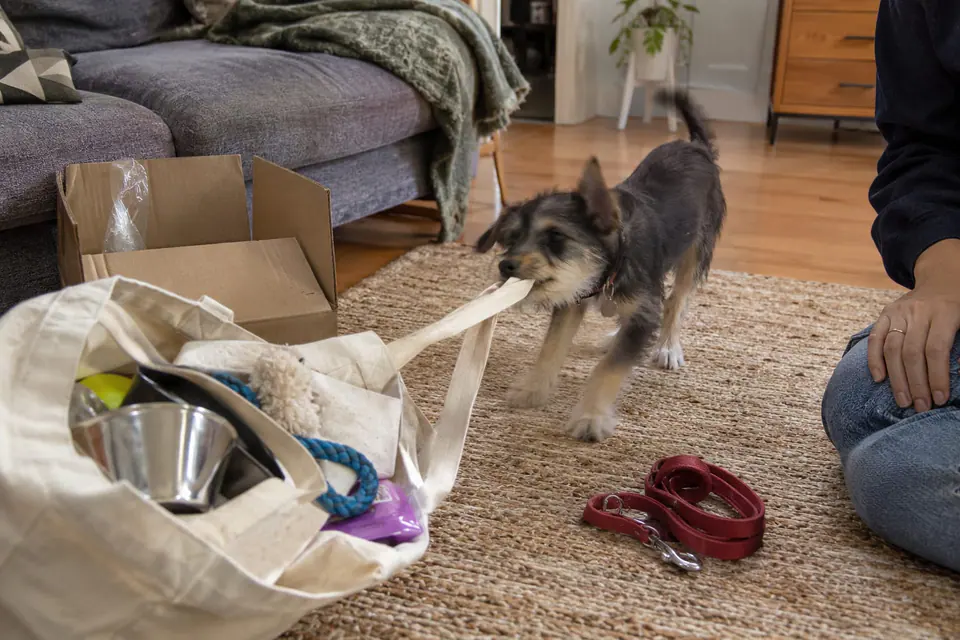
Before your puppy comes home, have the basics ready: food and water bowls they can't knock over, the food they're already eating, a bed and a crate or pen, toilet-training supplies, a collar with an ID tag, a lead and harness, and safe chew toys. Then book a vet check, make sure the microchip is in your name and register them with your council.
The new puppy shopping list
| Item | Why you need it | Tip |
|---|---|---|
| Food they already eat | Avoids an upset tummy in a new home | Ask the breeder or shelter for the brand and amounts |
| Food and water bowls | Fresh water, all day | Choose bowls they can't chew or tip over |
| Mat for under the bowls | Puppies are messy eaters and drinkers | Highly absorbent and non-slip stays put |
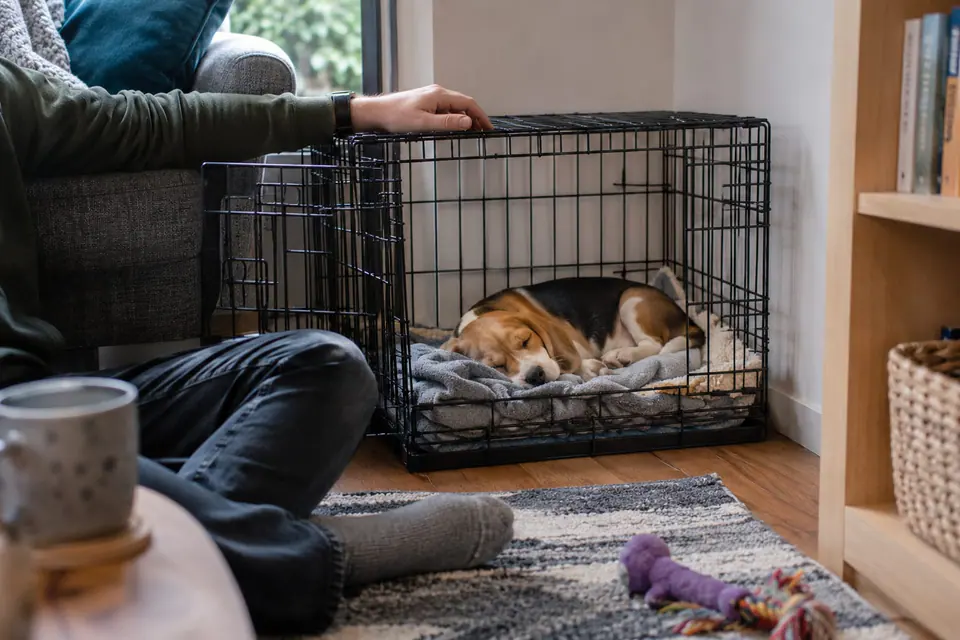
| Bed and crate or pen | A safe, quiet place to sleep | Somewhere warm, dry and away from draughts |
| Toilet-training supplies | Accidents will happen | Puppy pads or a grass patch, plus an enzyme cleaner |
| Collar and ID tag | Gets them home if they slip out | Put your mobile number on the tag |
| Lead and harness | Walks and car trips | Puppies grow fast, so pick adjustable sizes |
| Chew toys | Teething puppies chew everything | Choose toys sized for their mouth |
| Grooming basics | Brush, puppy shampoo | Ask your groomer or vet what suits their coat |
| Poo bags | For every walk | Keep a roll on the lead |
Puppy-proof the house before they arrive
The RSPCA's advice for a new puppy starts with a safe living space, checked for hazards. Get down to puppy height and look for:
- Electrical cords and phone chargers they could chew
- Shoes, socks and kids' toys left on the floor
- Bins without lids, especially in the kitchen and bathroom
- Cleaning products and medications within reach
- Gaps in fences, and pool or balcony access
- Indoor plants, which can be toxic if chewed
A baby gate or pen keeps them in a puppy-safe zone while you're not watching.
Vet, microchip and council: the Australian paperwork
The RSPCA calls microchipping, a collar with an ID tag and registration with your local council essential.
- Check the microchip details. Your puppy should come microchipped. Make sure the registry has your name, address and mobile number, not the breeder's.
- Register with your council. Rules and fees differ between states and councils, so check your council's website for deadlines.
- Book a vet check in the first week. Ask your vet about vaccinations, worming, flea and tick prevention, and when to desex. The RSPCA suggests talking to your vet to organise desexing and preventative health care.
- Enrol in puppy school. Reward-based "puppy kindy" classes run through many vet clinics and some RSPCA centres.
- Consider pet insurance early, before any health issues are recorded.
The first week at home
Keep the first days calm
A new home is a lot for a small dog. Keep visitors to a minimum at first, show them where their bed, water and toilet spot are, and give them plenty of quiet time to sleep.
Start socialising, gently
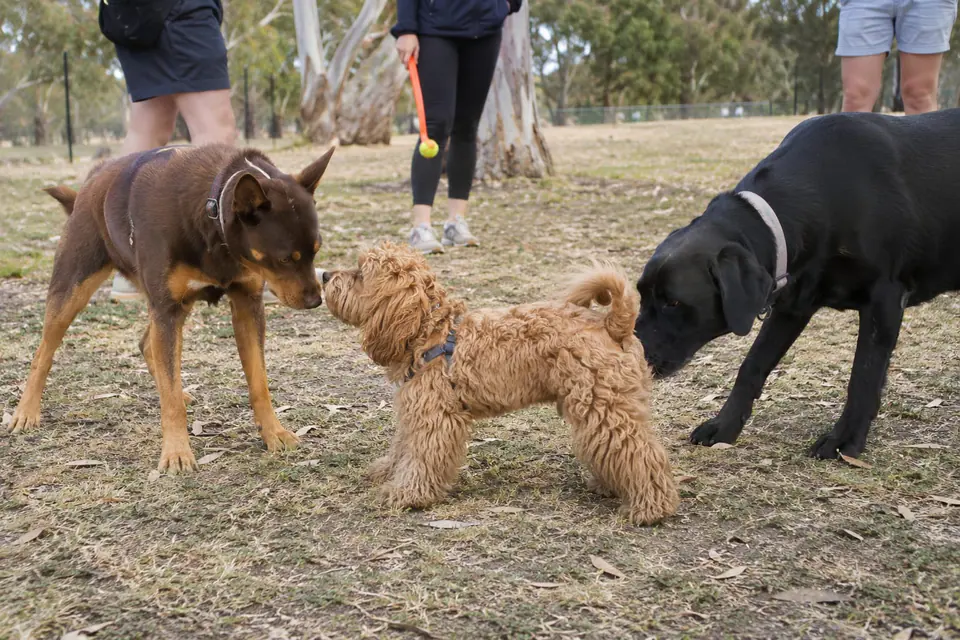
The RSPCA describes three to 14 weeks of age as a critical socialisation period. Introduce new sights, sounds, people and calm, vaccinated dogs a little at a time, and pair each new thing with something good, like a treat or praise. Your vet can tell you when it's safe to visit public places.
Set up a toilet routine
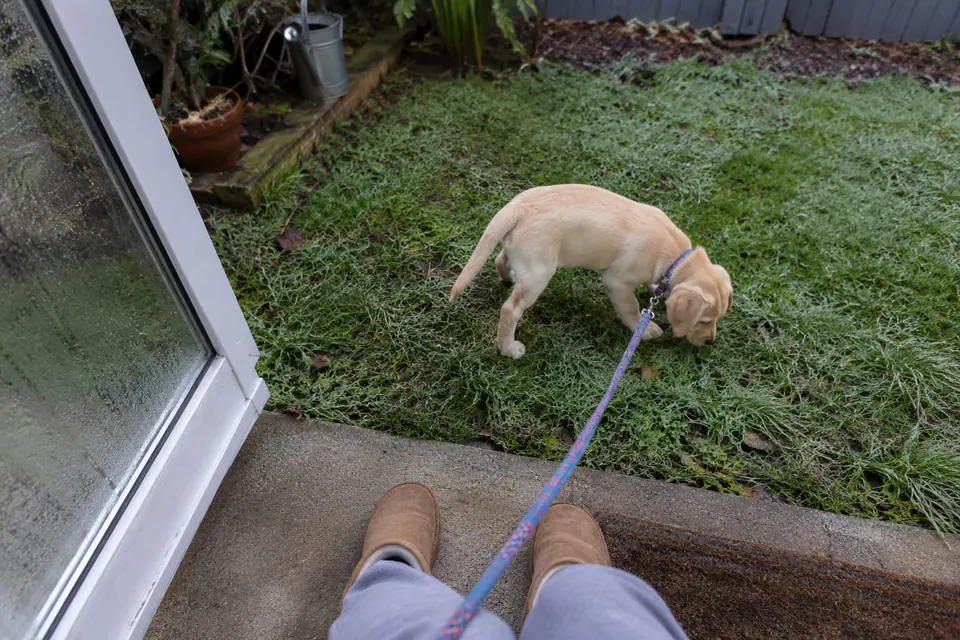
Take your puppy to the same toilet spot when they wake up, after they eat, after play and before bed, and reward them the moment they go. Clean accidents with an enzyme cleaner so the smell doesn't draw them back, and never punish them for mistakes. Our guide on how to toilet train a puppy has a full schedule by age, and crate training a puppy covers the first nights.
Give their bowls a home
Puppies learn routines fast, so pick one spot for food and water and keep it there. A mat underneath saves your floors from the splashes and scattered kibble that come with learning to eat. If your puppy turns every drink into a splash, our guide on how to stop your dog spilling water has nine fixes.
Printable checklist
- Food they already eat, and bowls they can't tip over
- A mat for under the bowls
- Bed, plus a crate or pen
- Puppy pads or a grass patch, and an enzyme cleaner
- Collar, ID tag, lead and harness
- Chew toys and a puzzle toy
- Brush and puppy shampoo
- Poo bags
- House puppy-proofed and a safe zone set up
- Microchip details updated to your name
- Council registration done
- Vet check booked
- Puppy school booked
Frequently asked questions
What do I need to buy for a new puppy in Australia?
Food they already eat, bowls they can't knock over, a bed and crate or pen, toilet-training supplies, a collar with an ID tag, a lead and harness, chew toys and poo bags. Then book a vet check and register them with your council.
Do I have to register my puppy with the council?
In Australia, the RSPCA calls council registration essential, alongside microchipping and an ID tag. Rules and fees vary by state and council, so check your local council's website.
When should my new puppy see a vet?
Book a check in the first week. Your vet can plan vaccinations, worming, parasite prevention and desexing with you.
What's a good gift for someone getting a new puppy?
Practical things they'll use from day one: a bed, chew toys, or a personalised feeding mat with the puppy's name. More ideas are in our Christmas gift guide for dogs and dog lovers.