New kitten checklist: everything to have ready before day one
What to buy and how to set up your home, based on RSPCA guidance, so your kitten has choices from day one.
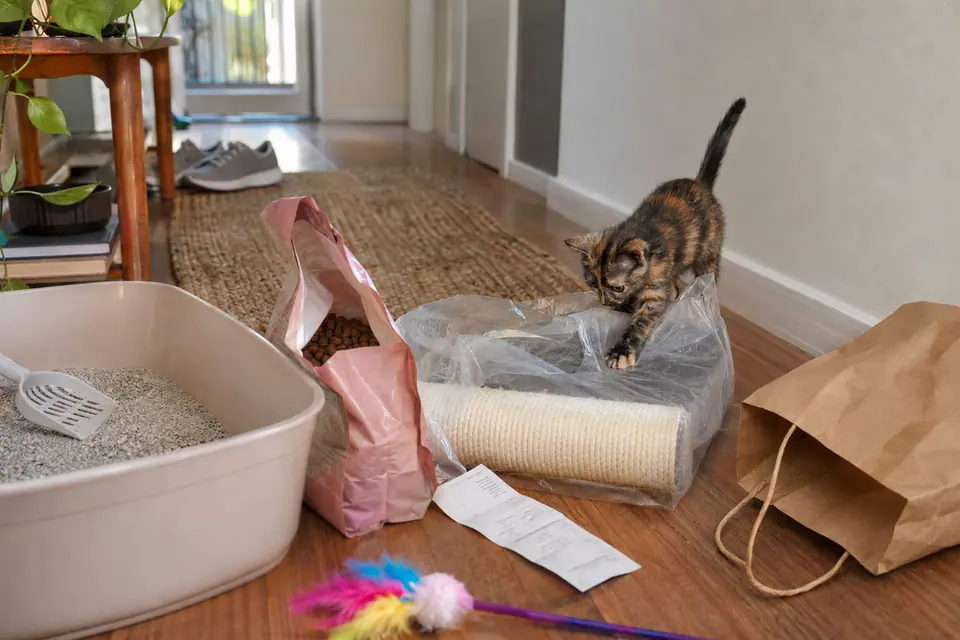
Before your kitten comes home, have kitten food, separate food and water bowls, two litter trays, scratching posts, toys, and a few cosy places to hide. Then book a vet check, ask about vaccinations, microchipping and desexing, and check your council's rules. Remove any lilies from your home before they arrive.
The new kitten shopping list
The RSPCA's new kitten guide recommends giving kittens choices, so you'll need more than one of some things.
| Item | How many | Good to know |
|---|---|---|
| Kitten food | Start with what they eat now | High-quality commercial kitten food, and no cow's milk |
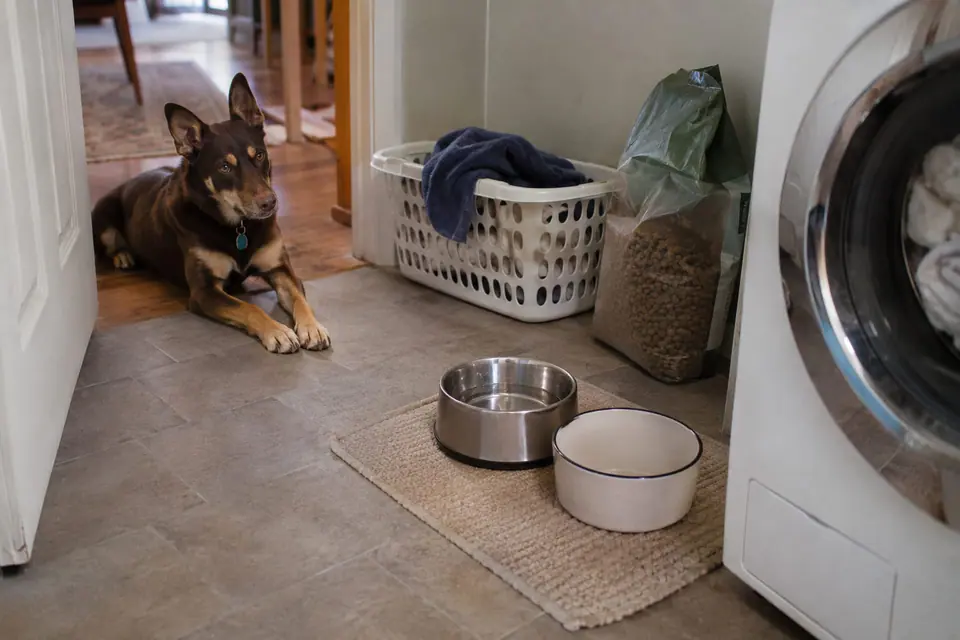
| Food stations | 2 | In separate locations |
| Water bowls | 2 | Fresh water available at all times |
| Litter trays | 2 | In physically separate locations |
| Scratching surfaces | 3 | Mix vertical and horizontal, and different materials |
| Rest or hiding spots | 3 | Raised perches, enclosed hides, and beds in quiet areas |
| Toys | A variety | Include play that mimics hunting, like wands |
| Carrier | 1 | For the trip home and vet visits |
| Soft brush | 1 | Start gentle brushing early, with treats |
| Collar and ID tag | 1 | Choose a quick-release collar made for cats |
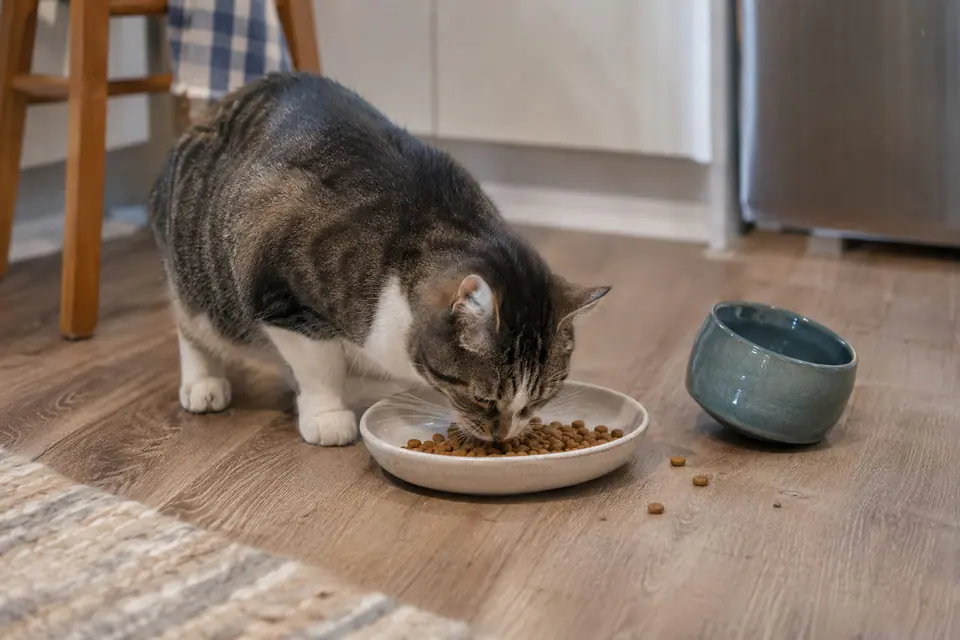
Keep food and water apart, and both well away from the litter trays. Our guide on where to put your pet's bowls has more ideas. A wide, shallow dish is a good place to start, and our article on whisker fatigue explains why many cats seem to prefer one.
How do I kitten-proof my home?
- Remove lilies. The RSPCA says to remove them from your home, garden and floral arrangements. Lilies are extremely dangerous for cats.
- Check other plants. See the RSPCA NSW list of toxic plants for pets.
- Tuck away cords and strings. Curtain cords, hair ties and thread are all tempting.
- Secure screens and balconies. Kittens climb, and they don't always judge heights well.
- Put away medications and cleaning products. Keep them in closed cupboards.
- Check small gaps. Look behind appliances and under furniture, and close washing machine and dryer doors.
Vet, microchip and council: the Australian paperwork
- Book a health check soon after they arrive. Your vet can advise on vaccinations, worming and flea prevention.
- Ask about desexing. The RSPCA recommends desexing before puberty, which occurs at about 16 weeks.
- Microchip them. Ask your vet, and make sure the registry has your details. It may be required in your state or territory.
- Check registration rules. Laws vary by state, territory and council, so check with your local council.
- Plan for containment. The RSPCA encourages keeping cats in an enclosure that meets their needs, such as indoors with a secure outdoor enclosure. It's easiest to start while they're young.
- Consider pet insurance. It's one way to plan for vet costs.
The first week at home
- Start with one quiet room. Set up food, water, a litter tray and a hiding spot, then open up the house as they gain confidence.
- Let them come to you. Sit on the floor and let them approach at their own pace.
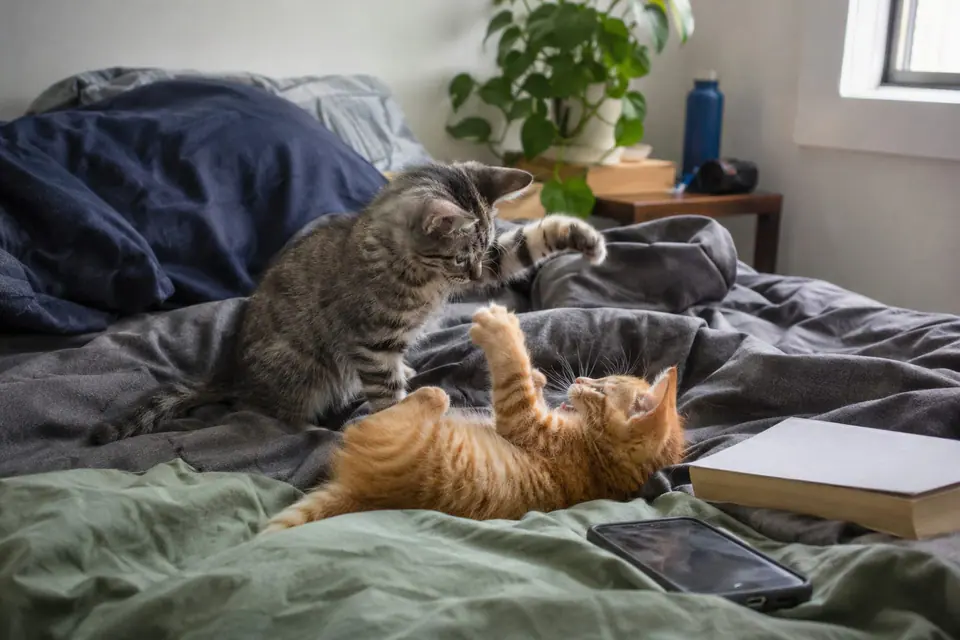
- Play often, in short bursts. Wand toys let them pounce on something other than your feet.
- Use rewards, not punishment. The RSPCA says punishment should never be used with kittens.
- Introduce other pets slowly. Keep them apart at first, and supervise early meetings.
- Avoid baths. The RSPCA says to skip bathing unless your vet recommends it.
Give their bowls a home
Kittens are messy eaters, and they tend to bat kibble around. A mat under the bowls saves your floors, and our Custom Feeding Mat is highly absorbent and non-slip. You can add their name and choose from nine cat breed artworks. Still deciding what to call them? Try our cat names guide.
Printable checklist
- Kitten food and two food stations
- Two water bowls
- Two litter trays and litter
- Three scratching surfaces
- Three resting or hiding spots
- Toys, including a wand toy
- Carrier
- Soft brush
- Collar and ID tag
- Lilies removed, and other plants checked
- Screens and balconies secured
- Vet check booked
- Microchip, desexing and council registration sorted
Frequently asked questions
What do I need for a new kitten?
Kitten food, two food stations, two water bowls, two litter trays, three scratching surfaces, three places to rest or hide, toys, a carrier and a vet check.
Can kittens drink cow's milk?
No. The RSPCA says not to give cow's milk. Provide fresh water at all times, and feed a high-quality commercial kitten food.
When should a kitten be desexed?
The RSPCA recommends desexing before puberty, which occurs at about 16 weeks. Your vet can advise on the right timing.
How many litter trays does a kitten need?
The RSPCA recommends two, in physically separate locations.