Best dog breeds for apartments in Australia, and how to make it work
A calm big dog can be easier than a busy small one. Here’s which breeds tend to suit apartment life, and what to check with your building first.
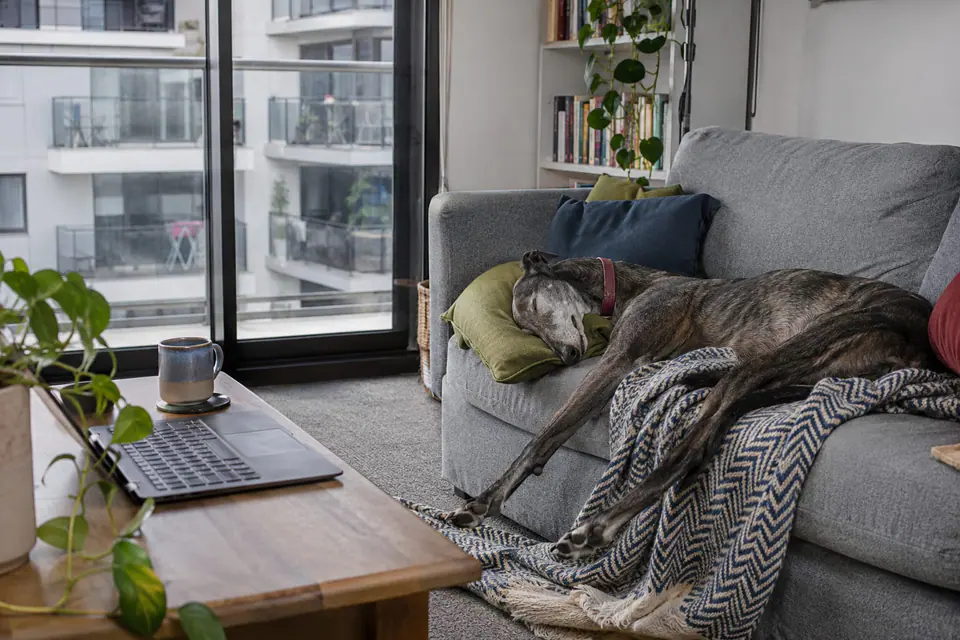
The best apartment dogs are calm indoors and don't bark much, whatever their size. Greyhounds, Cavalier King Charles spaniels, bichons, whippets and shih tzus are popular picks, though every dog is different. The American Kennel Club makes the same point: energy matters more than size, and many large breeds have lower activity levels.
Which dog breeds suit apartments?
These are general breed tendencies, and individual dogs vary a lot. Meet the dog, and ask the breeder or rescue about their energy and barking.
| Breed | Size | Why it can suit an apartment | Keep in mind |
|---|---|---|---|
| Greyhound | Large | Often calm and sleepy indoors | Needs a daily walk, and may need to be on a lead |
| Whippet | Medium | Quiet at home, loves a soft bed | Feels the cold, and needs a good run |
| Cavalier King Charles spaniel | Small | Gentle and people-focused | Can dislike being left alone, and has known heart issues |
| Bichon frise | Small | Cheerful and adaptable | Needs regular grooming |
| Shih tzu | Small | Happy with shorter walks | Flat-faced, so careful in the heat |
| Maltese | Small | Compact and affectionate | Can be barky without training |
| French bulldog | Small | Usually quiet, with modest exercise needs | Flat-faced, so heat and breathing are real concerns |
| Basset hound | Medium | Laid-back at home | Has a big voice, and stairs can be hard on them |
| Miniature poodle | Small | Clever and trainable | Needs mental exercise and grooming |
| Adult rescue dog | Any | You'll know their personality upfront | Ask the rescue about barking and alone time |
Which dogs are harder in apartments?
Working breeds like kelpies, border collies and cattle dogs usually need a lot of daily exercise and mental work. They can thrive with very active owners, but they may become frustrated or noisy when left in a small space. Vocal or very high-energy small dogs can also be tricky with neighbours close by.
What should I think about before choosing?
- Barking. AKC suggests choosing a dog that doesn't bark excessively. Thin walls make this the most important factor.
- Stairs and lifts. Long stairs can be hard on puppies, older dogs and long-backed breeds. Dogs also need to behave politely around people in lifts and lobbies.
- Time alone. Long hours alone can be hard for any dog. Plan for a dog walker or day care if you work long days.
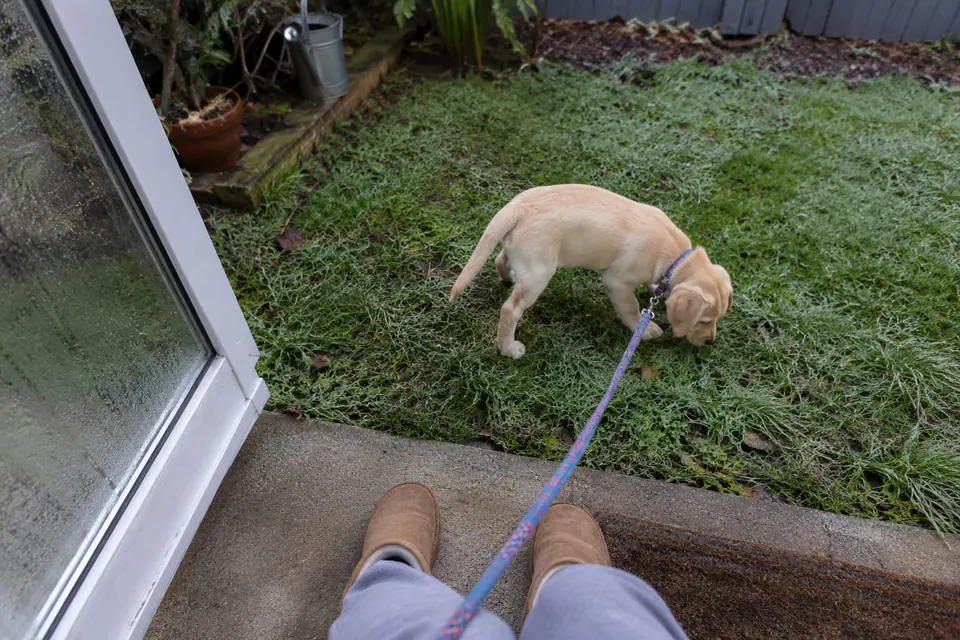
- Toilet access. How quickly can you get outside from your floor? Puppies can't wait long, so you may need a spot on the balcony or inside.
- Heat. Upper-floor apartments and balconies can get very warm. Flat-faced breeds need particular care in summer.
Can my strata or landlord say no to a dog?
Rules vary by state, and they keep changing, so check what applies to you. This is general information, not legal advice.
- New South Wales: the Court of Appeal found a blanket pet ban in a strata by-law invalid in 2020. Your scheme can still set reasonable rules.
- Queensland: the government says prohibitive by-laws are invalid, though a body corporate can refuse an animal in limited cases, such as an unmanageable risk.
- Victoria: renters must ask in writing using a pet request form. The rental provider has 14 days to respond, and needs VCAT's approval to refuse. They can't charge a separate pet bond.
- Other states and territories: check your strata manager or body corporate, and your state's fair trading or consumer affairs office.
Whatever state you're in, read your by-laws or lease first, and get any approval in writing.
How do I make apartment life work with a dog?
- Walk every day. A nearby park is no substitute for proper walks and sniffing time.
- Keep their brain busy. Puzzle feeders, lick mats and short training games tire them out indoors.
- Teach calm in shared spaces. Practise waiting at lifts and walking past neighbours politely.
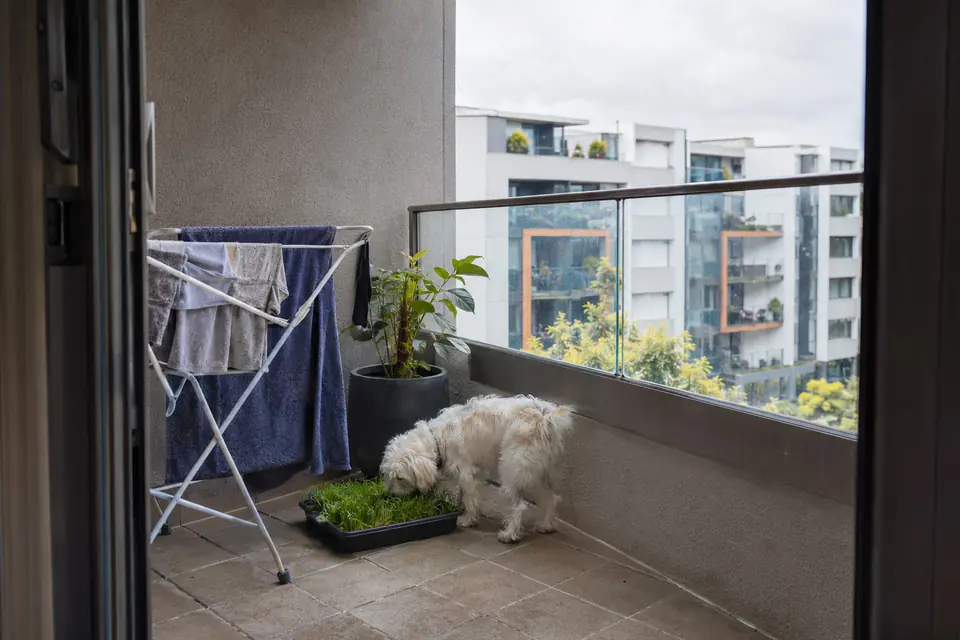
- Set up a toilet spot. A balcony or indoor spot helps during toilet training and on wet days. See our balcony dog toilet comparison, and our guide on how to toilet train a puppy.
- Protect your floors. Put a mat under the bowls, as splashes don't dry quickly in a small space.
- Plan for hot days. Keep the blinds shut, leave out plenty of water, and walk early or late.
Frequently asked questions
What is the best dog for a small apartment?
A calm, quiet adult dog of any size. Greyhounds, whippets, Cavaliers, bichons and shih tzus are popular choices, but it's worth meeting the individual dog.
Can you have a big dog in an apartment?
Yes, if they're calm indoors and get enough exercise outside. Greyhounds are often a surprisingly good fit, despite their size.
What dogs are the quietest for apartments?
Greyhounds and whippets are known for being fairly quiet, and French bulldogs usually bark less than many small breeds. Training and enough exercise matter too.
Are dogs allowed in apartments in Australia?
Often, yes, though it depends on your state, your building's by-laws and your lease. Check with your strata manager or rental provider before you bring a dog home.